Persian Rugs and Carpets
Persian Rugs and Carpets: Masterpieces of the Orient
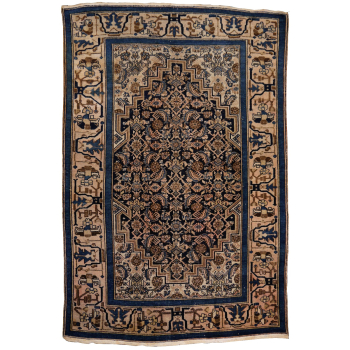
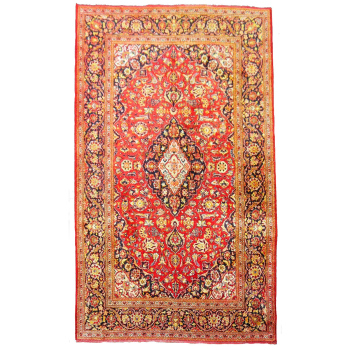
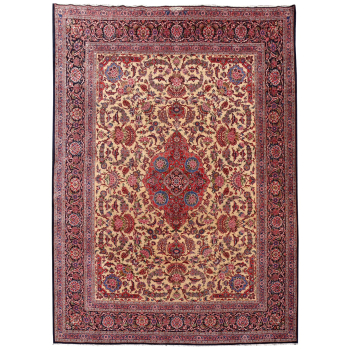
An authentic Persian rug represents far more than simple décor; it embodies a millennial tradition. The Djoharian Collection features hand-knotted textiles crafted from the finest materials. Whether you prefer a subtle accent or a room-sized carpet, these pieces provide unparalleled elegance. They foster a sophisticated atmosphere while ensuring a healthy living environment.


A Heritage of Curatorial Excellence
"With over five decades of expertise, the Djoharian Collection remains dedicated to preserving the cultural integrity of hand-knotted masterpieces. Every acquisition reflects our commitment to historical authenticity."
The Golden Age: Safavid Influence and Architectural Symmetry
The zenith of Persian weaving was reached during the Safavid Dynasty (1501–1736), particularly under the patronage of Shah Abbas I. During this era, court manufactories transformed utilitarian floorings into sophisticated architectural expressions. The intricate medallion compositions frequently found in classical weavings directly mirror the celestial symbolism of mosque domes. This profound correlation between sacred architecture and textile design creates a sense of cosmic order within an interior space. Elaborate arabesques and "islimi" patterns evoke the infinite, reflecting the gardens of paradise as depicted in traditional Persian literature.
Sophisticated Integration in Modern Interior Design
Contemporary interior designers utilize these historic textiles to achieve "textural juxtaposition." By placing an ancient tribal weaving within an Industrial Loft or a minimalist setting, one creates a dialogue between raw, modern materials and centuries of craftsmanship. These oriental area rugs serve as acoustic anchors and tactile focal points. Their organic dyes—derived from madder root, indigo, and pomegranate—possess a chromatic depth that synthetic pigments fail to replicate. Whether anchoring a mid-century modern ensemble or a grand hall, these creations harmonize diverse aesthetic elements.
Regional Masterpieces & Provenances
- • Bidjar: Distinguished by a "wet-weaving" technique that ensures legendary density.
- • Nain: Renowned for ethereal elegance, featuring high-grade silk and ivory wool.
- • Gabbeh: Tribal expressions of the Ghashghai, celebrated for their minimalist, modern aesthetic.
- • Tabriz: Masterpieces of unparalleled precision, often portraying historical narratives.
- • Isfahan & Keshan: The quintessential representatives of royal court weaving traditions.
- • Ghom / Qum / Qom: Rare silk textiles that transcend utility to become significant investments.
Curatorial Guidance & Preservation
Conservation and Maintenance Philosophy
To ensure the longevity of high-quality wool fibers, we recommend vacuuming strictly in the direction of the pile. A professional organic wash every 4 to 8 years is essential to remove microscopic abrasives and replenish the natural lanolin content.
Thermodynamic Properties & Underfloor Heating
Natural hand-knotted textiles possess excellent thermodynamic properties. They facilitate efficient heat transfer while preventing localized thermal accumulation, making them ideally suited for contemporary radiant heating systems. Read more.
Dimensional Proportions in Interior Spaces
A room-sized carpet should act as an architectural anchor. Ensure the textile extends beyond the functional perimeter of furniture arrangements to establish a cohesive visual foundation.
Institutional Recognition: Our commitment to textile history is reflected in our ongoing dialogue with the global rug community. For scholarly research, consult Jozan.net or visit the Islamic Art departments of the Victoria and Albert Museum.