Persian Rugs and Carpets

Persian Rugs
Hand-Knotted | Vintage · Antique · Contemporary | Djoharian Collection since 1967
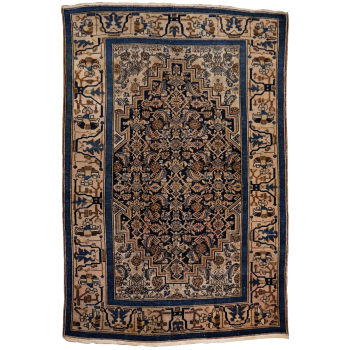
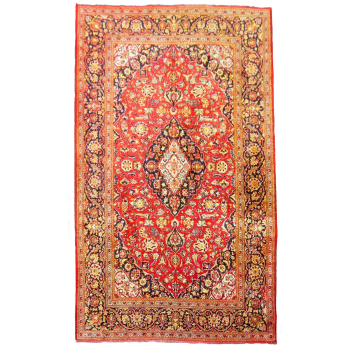
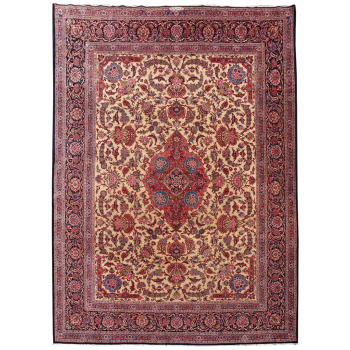
Persian rugs have been hand-knotted in Iran for centuries — from wool, silk or a combination of both. Every piece is unique, carrying the origin, pattern and character of its region. Our collection spans city workshops such as Isfahan, Tabriz and Kashan, nomadic rugs from the Qashqai and Bakhtiari, antique collector's pieces and new design lines.


Expertise since 1967
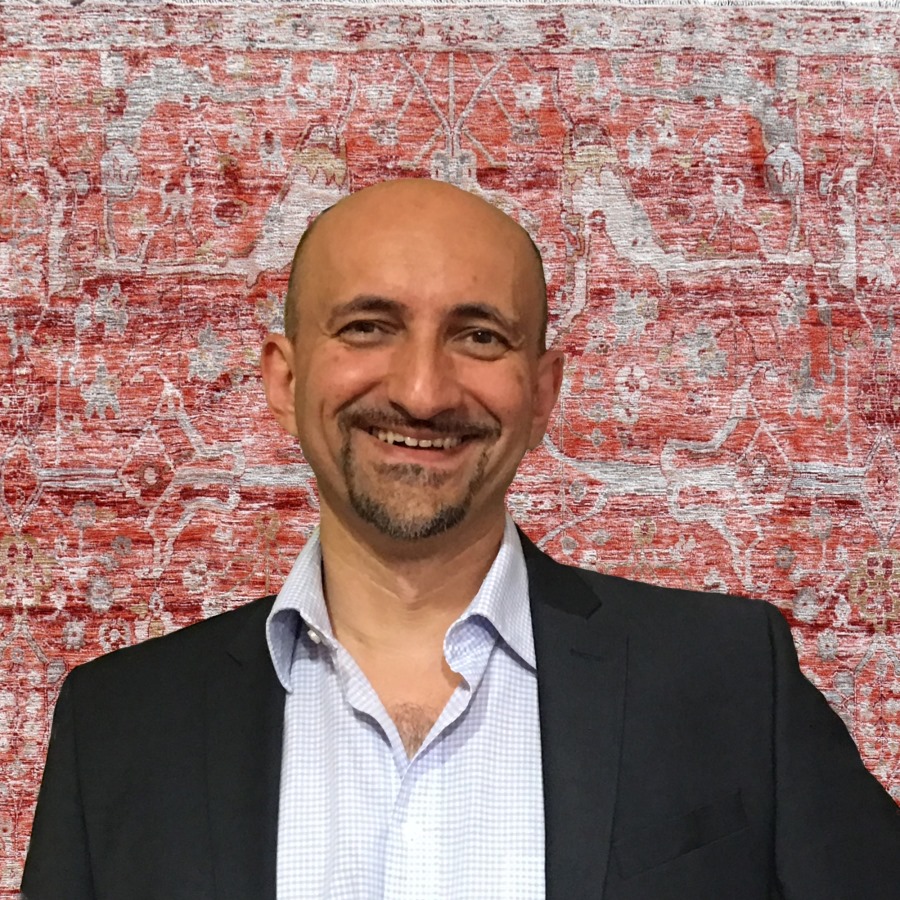
"We know every rug in our collection personally — its provenance, its condition, its story. That is the difference between a dealer and an expert."
Karl-Heinz Ahmad Djoharian | Jozan.net →
History and Craft
The tradition of carpet knotting in Iran spans more than 2,500 years. A Persian rug is made through a long manual process: a cotton or wool foundation is stretched on a loom, then millions of individual knots are tied by hand. Fine city workshops such as Isfahan or Nain work with cork wool and silk; nomadic tribes such as the Qashqai use coarse highland wool on a wool foundation. The result in both cases: a durable one-of-a-kind piece that gains character with age.
Provenances in Our Collection
- → Isfahan — Finest floral city workshop, wool on silk foundation
- → Tabriz — Highest precision, wide range of patterns and qualities
- → Kashan — Classic floral, deep red and blue
- → Qum — Pure silk, finest knot density
- → Nain — Ivory and blue, 4La to 12La quality grades
- → Bidjar — The "Iron of Persia" — extremely durable
- → Sarough — Floral, long-lasting, everyday use
- → Mashhad — Khorasan wool, large medallions
- → Kirman — Soft palette, opulent floral
- → Gabbeh — Tribal, minimalist, contemporary
- → Kilim — Hand-woven flatweaves of the nomads
Frequently Asked Questions
How do I care for a Persian rug?
Regular vacuuming with a flat suction head in the direction of the pile. No household cleaning products — the natural lanolin layer in the wool protects the rug and should be preserved. For deep cleaning: professional rug washing →
How often should an Oriental rug be washed?
A professional wash every 4 to 8 years is advisable — it removes embedded sand that damages the pile from within, and dust mites.
Are Persian rugs suitable for underfloor heating?
Yes. Wool is a natural conductor of warmth — heat passes through the weave into the room without a heat build-up. Important: maximum floor temperature 27°C; do not place the rug directly over a thermostat sensor.
Can moth damage or frayed edges be repaired?
Yes. Fringes, selvedges, moth damage and small holes can be restored to their original condition by a specialist. We offer this service in Lohr am Main: repair & restoration →
What size rug suits which room?
In the living room, all seating furniture should touch the rug at least with its front legs. In the dining room: at least 60–80 cm beyond the table on all sides, so chairs remain on the pile when pulled back. See also: rugs by size →
Geometric or floral — which suits which interior style?
Geometric patterns (Kazak, Bidjar, Gabbeh) work well in modern and minimal interiors. Floral medallions (Isfahan, Kashan, Nain) complement classical settings. Vintage pieces with patina work in both worlds.
Responsible Trade – Label STEP Fair Trade
✓ Fair wages ✓ No child labour ✓ Good working conditions ✓ Environmentally sound production
Djoharian has specialised in authenticated Oriental rugs since 1967 — founded in the Grand Carpet Bazaar of Tehran, today based in Lohr am Main, Germany. As listed experts on Jozan.net and in reference to the Victoria and Albert Museum collections, we personally inspect every piece before sale.